
Introduction
As winter grips Southern Ontario, the Environment Canada has issued a snowfall warning for Toronto and the surrounding Greater Toronto Area (GTA), warning residents to brace for heavy, wet snow and icy conditions as an Alberta Clipper sweeps through. What might seem like a routine early-season snow event may have outsized impacts — on travel, safety, infrastructure, and daily life. While local media began issuing alerts and quick updates, many essential questions remain unaddressed: how serious is this event, what should residents realistically expect, and how can people prepare to minimize disruption and danger?
This article dives deeper — putting meteorological context side by side with practical advice, worst-case scenarios, and a historical perspective to help you navigate a potentially disruptive onset of winter.
What is an Alberta Clipper — and why it matters
The term “Alberta Clipper” refers to a fast-moving low-pressure system originating in Alberta, Canada, that moves southeast across the Prairies and the Great Lakes. As it travels, it drags a sharp, cold air mass south, often leading to sudden drops in temperature, gusty winds, and snow. (Wikipedia)
Because the system moves quickly and typically carries modest moisture, snowfall amounts tend to be moderate — often just a few centimetres. (Wikipedia) But even small snowfalls can be dangerous if roads are wet or icy, snow mixes with freezing drizzle, or winds create blowing snow and poor visibility.
In this case — December 2025 — the clipper is expected to strike the GTA with heavy, wet snow potentially combined with wind and freezing conditions. The danger isn’t limited to snow cover: the clipper’s rapid temperature drop and wind chill could lead to hazardous ice formation and dangerous wind-chill for exposed skin.
Given these factors, the immediate risk increases: slick roads, precarious driving conditions, poor visibility, power-outages, strain on transit systems, and elevated risk for frostbite or hypothermia if people get stuck outdoors.
How this storm stacks up — historical & climatological context
Media outlets have already issued snow-and-freezing-drizzle alerts, but few have offered comparison to past winters or to typical December conditions in Toronto. That’s a missed opportunity because context matters: how unusual is this for early December? How does it compare to previous storms?
- Most “Alberta Clipper” events that reach the GTA yield only a light dusting to a few centimetres — often melted by midday or early next day once the sun or a warm front passes through. (Wikipedia)
- By contrast, the severe snowstorms that crippled Toronto in past decades (for instance, events like those documented in historical storms) involved substantial accumulations, prolonged high winds, drifting snow, and days-long gridlock. (Wikipedia)
- Right now forecasts suggest wet, heavy snow and freezing drizzle — a combination that tends to be more dangerous than dry, powdery snow, especially for drivers and pedestrian mobility.
So while this storm may not rank among the worst blizzards of Toronto’s history, its composition (wet snow + possible freezing rain + wind) and its timing (start of winter season) raise serious flags, especially for infrastructure and public safety.
What could go wrong — the main risks and hazards
Here’s a breakdown of what residents and authorities should watch out for over the coming 24–48 hours and beyond if precautions aren’t taken.
- Road accidents and hazardous driving
- Wet snow turning to slush or freezing on untreated roads can create black ice overnight. This greatly increases risks of car accidents, especially during the morning and evening commute.
- Poor visibility due to blowing snow or freezing drizzle — combined with gusty winds — can make driving treacherous.
- High-risk for multi-vehicle collisions, spinouts, and vehicles sliding off bridges or slopes.
- Transit disruptions and delays
- Local transit (buses, streetcars) may be delayed or canceled, especially if roads are icy or if snow builds up quickly.
- Commuters depending on rail, buses or shared transport may face unpredictable schedules.
- School bus cancellations may occur, creating disruptions for families.
- Pedestrian hazards and public safety
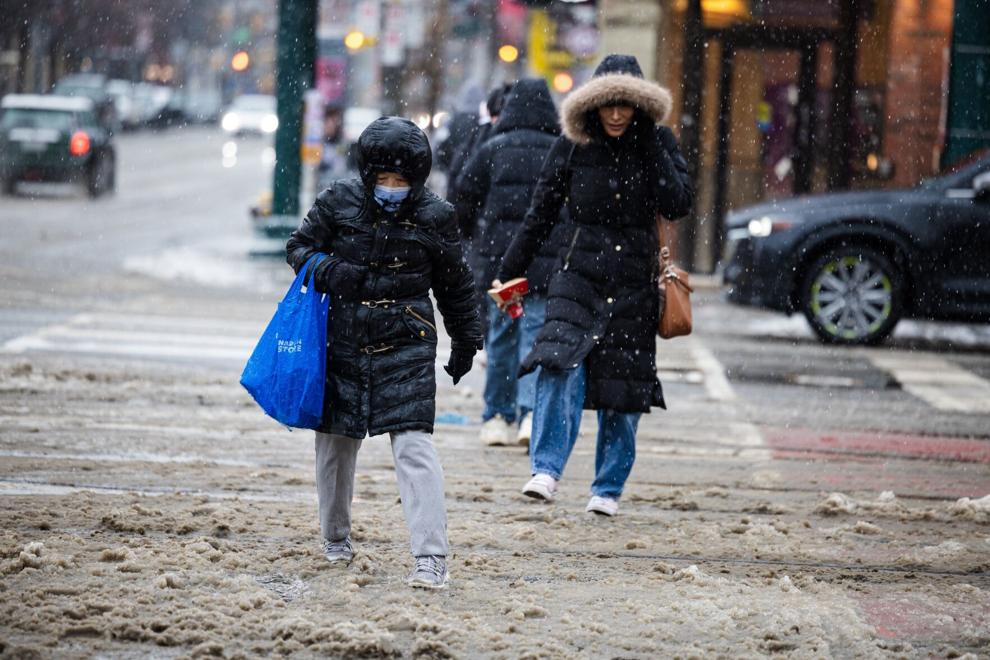
- Sidewalks may become slick with ice or hard-packed snow — high risk for slips, falls, injuries.
- Older adults, people with mobility issues, or those without suitable footwear are particularly vulnerable.
- People experiencing homelessness or those without adequate shelter may be exposed to wind chill, frostbite, or hypothermia risk.
- Property damage, power outages, and infrastructure stress
- Wet, heavy snow can accumulate on trees or poorly maintained power lines — risk of downed branches or outages.
- Frozen pipes in homes — especially in older buildings or poorly insulated units — may burst if residents are unprepared.
- Snow build-up on roofs and in drainage systems may lead to leaks, localized flooding once temperatures rise.
- Community-level disruption
- Schools, workplaces, essential services may operate on reduced hours, or close.
- Delivery services (mail, groceries, packages) may be delayed or halted.
- Emergency services may see increased demand (accidents, health emergencies from cold exposure, falls).
What typical media coverage misses — and what readers should demand
As noted earlier, much of the media spending on weather coverage remains superficial: “snow expected,” “warning issued.” That’s useful — but insufficient. What readers (and communities) need is:
- Practical, localized advice: Where to find updated road conditions, which transit lines are affected, how to prepare your home and car, what vulnerable populations should do, etc.
- Human interest and ground-level stories: Commuter experiences, challenges faced by seniors or low-income residents, frontline workers (transit drivers, delivery personnel, snow-clear crews), and community volunteer efforts. This not only informs but builds empathy and community response.
- Longer-term forecasts & planning: Discussions on potential follow-up storms, freeze–thaw cycles, risk of lake-effect snow, and overall winter preparedness for citizens.
- Historical context and climate discussion: Is this early heavy snow a fluke, or indicative of shifting winter patterns due to climate change? Some analysis would provide value and attract readers interested in broader issues.
- Resource linkages: Direct readers to official municipal or provincial resources: emergency hotlines, shelters/warming centers, real-time transit/road updates, tips for snow clearance, and more.
By failing to include these, existing coverage tends to fade quickly — readers get a quick alert, but no deeper insight, no guidance, no enduring value. That limits dwell time, shareability, and return visits — all of which harm SEO performance and long-term engagement.
A Better Approach — What This Article Offers (and What You Should Care About)
This article tackles the gaps: by combining meteorological context, risk analysis, practical tips, historical perspective, and community focus. That makes it both informative and actionable.
- Rather than just telling you “it’s snowing,” we explain why the snow matters, how it could affect everyday life, and what you should do.
- We highlight who is most at risk (drivers, pedestrians, vulnerable populations), not just make general “weather hazard” statements.
- We point toward resources and preparation steps — from sheltering, home maintenance, travel planning, to community support.
- We adopt a longer-term perspective: what comes after the snow — freezing, ice, more storms — and how to prepare for the coming winter.
- And we embed SEO-friendly structure: focus keyword, related keywords, long-tail phrases — but within a deep, substantive article that can attract organic traffic over time (not just clicks).
🧰 Practical Advice — What Residents Should Do Now
If you live in Toronto or the GTA, here are immediate steps to take (and some to plan for), to reduce the risk and impact of the storm:
- Check official alerts — monitor Environment Canada bulletins, municipal websites, local transit/transportation agencies, and local radio/TV for updates.
- Avoid unnecessary travel during and after the snow — especially during dusk/night, when roads may freeze and visibility drop. If travel is essential, drive slowly, leave extra distance, avoid sudden moves, and treat all shaded or untreated surfaces as icy.
- Prepare your home — insulate exposed pipes, keep a slow drip on taps if frost is expected; have salt or sand for walkways; ensure heating systems work; check on elderly or vulnerable neighbors.
- Plan for public transit delays or cancellations — allow more time, check status of buses/trains, consider working remotely if possible.
- Have emergency supplies ready — flashlight, extra food/water, blankets, phone charger, emergency contacts, for yourself and household.
- Look out for neighbors and community — seniors, people with mobility issues, or unhoused people may need help. Consider volunteering or sharing information about warming shelters and community resources.
🕰️ What Happens Next — Looking Beyond the Storm
- Freeze–thaw cycles: After the snow, cold overnight temps and possible daytime warming (sun or slight rise) can cause melting and refreezing — leading to dangerous ice, especially on sidewalks, driveways, overpasses, and bridges.
- Possible lake-effect snow: As winds shift, parts of the GTA north or east of the lake may see additional snow bands. Residents should watch for follow-up advisories.
- Strain on infrastructure: Power lines and trees may be stressed by wet snow and wind; fallen branches or power outages are possible. Municipalities may need to clear snow, repair lines, and respond to traffic incidents — expect delays or disruption.
- Long-term winter readiness: This early clipper may be a taste of winter to come. Residents should consider long-term preparation: snow tires for vehicles, snow-clearing tools or services, emergency kits, insulation, and more. Also, consider broader climate trends — such early or erratic storms might become more common.
✅ Conclusion
The December 2025 snow warning for Toronto is more than just another weather bulletin — it’s a reminder of the real, multi-faceted risks winter can pose. The incoming Alberta Clipper may not dump record-breaking totals, but the combination of wet snow, freezing drizzle, gusty winds, and cold makes this one particularly worth preparing for.
The standard media coverage gives the “what” — but misses the “why it matters,” and fails to give readers the “what to do” and “what could happen next.” This article aims to fill that void: to provide context, advice, and deeper insight.
If you live in Toronto or plan to be there in the coming days — take this alert seriously. Prepare your home. Watch the roads. Help your community. And don’t wait until snow turns to ice, or freezing drizzle coats streets, before you act.
Stay safe, stay warm — and stay informed.
