
The 2025 flu season in the United Kingdom has taken a worrying turn. A strain of influenza A known as H3N2 — sometimes called “superflu” — is driving a shockingly early surge in cases, overwhelming hospitals and prompting urgent public health responses. Combined with higher hospital admissions and a vaccine that’s only a partial match, this flu season may be one of the toughest in recent memory.
In this comprehensive guide, we break down what H3N2 is, how it differs from other strains, what symptoms to watch for, how effective vaccines are this year, and the prevention measures everyone should know. We also point out gaps in current media coverage to give you a clearer picture.
What Is the H3N2 Flu Strain?
H3N2 is a subtype of the influenza A virus and one of the strains that circulates globally every year. This year’s version — known as subclade K — is currently dominant in England and has several mutations that may make it more transmissible and harder for existing immunity to fully block. (British Brief)
The letters “H” and “N” refer to proteins on the virus surface — haemagglutinin and neuraminidase — that are key to how the virus enters and exits human cells. When these proteins change, prior immunity from vaccines or past infections can be less protective. (British Brief)
Why It Matters
Experts warn that because H3N2 has evolved from last year’s strain and immunity in the population is relatively low (especially in children), transmission may be easier and illness more severe — particularly in high-risk groups such as older adults, pregnant women, and people with chronic health conditions. (British Brief)
Symptoms: What to Look Out For
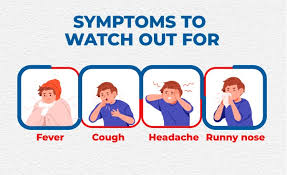
Most media articles report that H3N2 symptoms are similar to regular flu, including:
- Fever and chills
- Cough
- Runny or blocked nose
- Body aches and fatigue
- Sore throat
- Headache
- Sometimes vomiting or diarrhoea in children
However, what many sources miss is that:
- H3N2 often presents with higher fevers and more sudden onset compared with common colds. (Health and Me)
- Extreme fatigue and prolonged weakness can persist well after other symptoms improve. (Health and Me)
- Some patients report lingering respiratory symptoms and chest discomfort weeks after onset — suggesting that recovery can be slower than typical seasonal flu. (Public accounts corroborate this pattern, even if formal reporting lags.) (Reddit)
Differentiating From a Cold
Unlike colds, which tend to ramp up gradually, influenza — especially H3N2 — often hits suddenly and severely. High fever and muscle aches are more common with influenza, while symptoms such as sneezing and mild sore throat are more typical of colds. (British Brief)
Treatment and At-Home Care
Most individuals with mild to moderate H3N2 flu can safely manage symptoms at home:
- Rest and hydration
- Over-the-counter medications (e.g., paracetamol/acetaminophen or ibuprofen)
- Antiviral medications for high-risk or severe cases if prescribed early
- Avoiding antibiotic misuse (since antibiotics don’t work against viruses)
When to Seek Medical Help
Contact a health professional if you experience:
- Difficulty breathing
- Persistent high fever
- Extreme fatigue
- Confusion or severe dizziness
- Symptoms lasting beyond seven days
- Signs of dehydration
Media reports generally mention general advice but fail to outline specific red flags — which is critical for preventing complications.
Vaccine Effectiveness: Partial But Valuable
One of the biggest questions this season is whether the flu vaccine still works.
Early data suggests the 2025–2026 vaccine is less than a perfect match for this H3N2 subclade, but it remains effective at reducing severe illness and hospital visits — especially in children, where the vaccine may prevent 70–75% of hospital attendance. In adults, effectiveness is lower (30–40%) but still significant. (ITVX)
That Means
- You could still get infected after vaccination, but
- Severe outcomes and hospitalizations are much less likely in vaccinated individuals.
This nuance is often missing or downplayed in media coverage, which tends to frame vaccine protection in broad terms without specifying real-world effectiveness ranges.
Who Is Most at Risk
While anyone can catch H3N2 influenza, the following are most at risk for severe disease:
- Adults aged 65 and older
- Children under five, especially those under two
- Pregnant individuals
- People with chronic illnesses such as asthma, diabetes, heart disease, or weakened immunity
- Those with neurological conditions
News articles mention high-risk groups, but rarely do they quantify how much greater the risk actually is — information clinicians use to triage and prioritize care.
Prevention: Steps Everyone Should Take
Here’s what health authorities are recommending, but with deeper context:
1. Get Vaccinated
Aim to get your flu jab as soon as possible. While not perfect, it significantly lessens the chances of severe outcomes.
2. Practice Good Hygiene
- Wash hands frequently
- Use tissues for coughs and sneezes
- Clean high-touch surfaces
3. Masking and Staying Home When Sick
Some health officials have urged those with symptoms to wear face masks in public, especially on transport and in crowded spaces — similar to COVID-19 precautions. (ITVX)
Most articles mention general hygiene but avoid discussing mask use as a legitimate preventative tool outside of clinical settings.
4. Avoid Contact with Vulnerable People
If you’re symptomatic, avoid visiting high-risk individuals when possible.
Why This H3N2 Outbreak Is Different
Several factors are converging to make this flu season unusual:
Early Start
Unlike typical flu seasons that peak in January–February, cases surged much earlier in autumn. (British Brief)
Lower Pre-Existing Immunity
Because flu circulation was relatively lower in recent years, population immunity is weaker — especially in children.
Vaccine Mismatch
Mutations in the H3N2 strain have reduced how closely the vaccine matches the circulating virus, lessening protection somewhat. (British Brief)
These nuances are often underexplored in coverage, which tends to frame the situation as “severe” without explaining why.
Impact on Healthcare Services
The early and severe surge of flu cases is straining hospitals. Reports indicate record levels of hospital admissions compared with the same time last year. (ITVX)
While media have highlighted rising admissions, few outlets delve into the indirect effects, such as:
- Staff shortages due to illness among healthcare workers
- Deferred elective procedures
- Increased burden on emergency services
Understanding these knock-on effects is important for grasping the true public health impact.
Summary
Here’s what we now know about the H3N2 flu outbreak in the UK in 2025:
✅ H3N2 is currently the dominant flu strain and is associated with a severe and early flu season. (British Brief)
✅ Symptoms mimic severe flu with high fever, extreme fatigue, and longer recovery. (Health and Me)
✅ Vaccines offer meaningful protection, especially against severe illness, but aren’t a perfect shield. (ITVX)
✅ Prevention matters — vaccination, hygiene, and staying home if sick remain the best defenses.
❌ Media coverage often undersells the nuance of vaccine effectiveness, fails to explain why this season is atypical, and doesn’t always highlight practical, evidence-based prevention like masking for symptomatic individuals.
