
Introduction — Why This Documentary Is More Than Just a Netflix Story
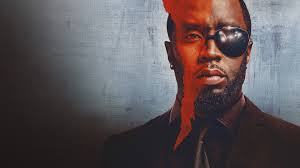
Netflix’s Sean Combs: The Reckoning — a four-part documentary released in December 2025 — has become one of the most polarizing cultural moments in recent entertainment history. Executive produced by rapper Curtis “50 Cent” Jackson and directed by Alexandria Stapleton, the series explores the rise, fall, and criminal conviction of music mogul Sean “Diddy” Combs. The release was met with record viewership, heated debate, legal pushback, and viral reactions across social media. (Wikipedia)
But most mainstream articles only scratch the surface. They focus on click-bait narratives like “50 Cent’s revenge” or “unauthorized footage controversy,” without giving readers a full picture of why this documentary is historically significant, ethically complex, and culturally consequential. This article fills those gaps.
1. The Documentary’s Content and Premise — Not Just Another Celebrity Doc
At its core, The Reckoning traces Diddy’s evolution from a music industry powerhouse to a figure facing multiple civil and criminal allegations. It interweaves archival footage, interviews with former associates, and unseen video shot days before his arrest. (Forbes)
Unlike surface-level entertainment coverage, the doc delves into:
- Industry misconduct and alleged abuse — Sharing testimony from people who worked closely with Combs and former employees.
- Legal proceedings and verdicts — Including Diddy’s July 2025 conviction on two counts related to transportation for prostitution but acquittal on racketeering and sex trafficking charges. (Wikipedia)
- Cultural history — Reexamining events like the East Coast vs West Coast hip-hop feud and how Combs’ role in that era was portrayed.
Despite these efforts, many outlets fail to highlight what the series succeeds at: unpacking deeply embedded power dynamics in entertainment and giving platforms to voices often excluded from mainstream narratives.
2. The Unauthorized Footage Dispute That Took Over Headlines
One of the most widely reported controversies — that Diddy’s legal team claims Netflix used unauthorized and “stolen” footage — is real, but the narrative in media has been uneven and incomplete.
What Happened Really?
According to multiple reports, footage included in the documentary was originally recorded for a project Combs was planning himself. A freelancer who temporarily covered for his personal videographer allegedly released some of these clips, which ended up in Netflix’s documentary. (Finance Monthly)
Combs’ attorneys argue this was a breach of privacy and intellectual property — a claim they describe as illegal and unethical. Netflix and the documentary’s producers insist the material was legally obtained and that proper rights and releases were secured. (Breitbart)
Where Reporting Falls Short
Most articles report only one side:
- Either they emphasize Diddy’s claim of theft, without explaining the legal complexities of consent and ownership in documentary filmmaking;
- Or they relay Netflix’s defense without contextualizing why consent and documented release forms matter — especially when private video was intended for a different purpose.
The result? Audiences are left with conflicting headlines, not clarity on whether the footage was legally, ethically, or morally appropriate to use.
3. Bias and Storytelling — Journalism or Personal Vendetta?
A central criticism from fans and critics alike is the question of bias. Many argue that having 50 Cent — a longtime rival of Diddy — as executive producer inherently skews the documentary’s framing. Some commentators online call it “revenge with production value,” not objective journalism. (Reddit)
Yet others defend the documentary as necessary accountability journalism. Some say it’s rare for powerful figures with wealth and influence to have deep scrutiny applied at any level. (Reddit)
Media Shortcomings
Mainstream coverage fails to go beyond surface friction — rivalries and feuds — and ignores deeper questions:
- Should mainstream streaming platforms be arbiters of truth in controversial cases?
- Where is the line between respectful investigation and exploitation of trauma?
- How does a producer’s personal history affect narrative integrity?
Without digging into these industry debates, most articles reduce the documentary to celebrity gossip rather than cultural critique.
4. Legal Context — What the Headlines Don’t Fully Explain
Many headlines mention Diddy’s prison sentence, but fail to explain:
- He was sentenced to 50 months (4 years + 2 months) in federal prison after being found guilty on transportation for prostitution charges in 2025. (Wikipedia)
- He was acquitted of more serious charges, such as racketeering and sex trafficking. (Wikipedia)
This nuance matters because many online opinions treat the documentary as a summary of his guilt in all charges — which is legally inaccurate.
Further, as part of the controversy, commentators like Joe Budden publicly claimed that Diddy “didn’t get enough time” behind bars — a provocative opinion, but one that doesn’t reflect legal realities or sentencing guidelines. (Billboard)
5. Cultural Impact — Beyond the Headlines
The documentary’s release has had effects that sandwich this story between entertainment and cultural reckoning:
- Streaming success — It became one of the most-watched titles globally on Netflix shortly after release, and 50 Cent himself saw a spike in music streaming and chart positions. (Forbes)
- Social discourse — Conversations about power dynamics, abuse allegations, and celebrity accountability have dominated social platforms.
- Legal fallout — Diddy’s legal team issued cease-and-desist letters, and debates over privacy, consent, and rights ownership continue.
Despite all this, many news outlets present just the controversy without exploring broader cultural implications: how society treats powerful figures, how audiences consume true-crime entertainment, and why this particular documentary resonates now.
6. Media Coverage Gaps That Must Be Filled
Below are the main areas where existing articles fall short:
A. Lack of Legal Context
Most reports mention Diddy’s conviction casually or focus on his prison sentence as though it explains everything. Only a few clarify which charges he was convicted of and which he was acquitted of. (Wikipedia)
B. Oversimplification of the Footage Controversy
Coverage tends to choose sides — either Netflix’s or Diddy’s — without unpacking rights, consent, non-disclosure agreements, or the ethics of documentary sourcing.
C. Ignoring Broader Industry Debates
Few articles address how this documentary blurs lines between journalism, storytelling, and entertainment. Commentators online have raised legitimate questions about bias and narrative control that deserve serious analysis. (Reddit)
D. Minimal Cultural Critique
Most pieces reduce the conversation to celebrity drama instead of recognizing how it reflects larger societal questions about accountability, celebrity power, media influence, and public opinion shaping.
7. What Audiences Should Take Away
This documentary — and its reception — is more than a celebrity scandal narrative. It represents:
- A case study in how powerful figures are held accountable in the court of public opinion.
- A test of documentary ethics and journalistic responsibility in an era of streaming dominance.
- A cultural moment where entertainment, law, and social discourse intersect.
To understand The Reckoning, readers must move beyond gossip and controversy headlines and ask: what does this say about power structures in media and society at large?
Conclusion — Why Reporting Must Evolve
The ongoing debate over Sean Combs: The Reckoning is about more than whether Diddy was guilty of everything portrayed or whether 50 Cent had a vendetta. It’s about how stories of abuse, power, fame, and accountability are told and consumed in a media ecosystem driven by clicks, controversy, and streaming metrics.
The next wave of coverage should go beyond flash reactions and focus on ethical documentary practices, audience impact, and the responsibilities of platforms like Netflix when handling sensitive material about real people.
Only then will the conversation around The Reckoning reach the depth and cultural significance it deserves.
