
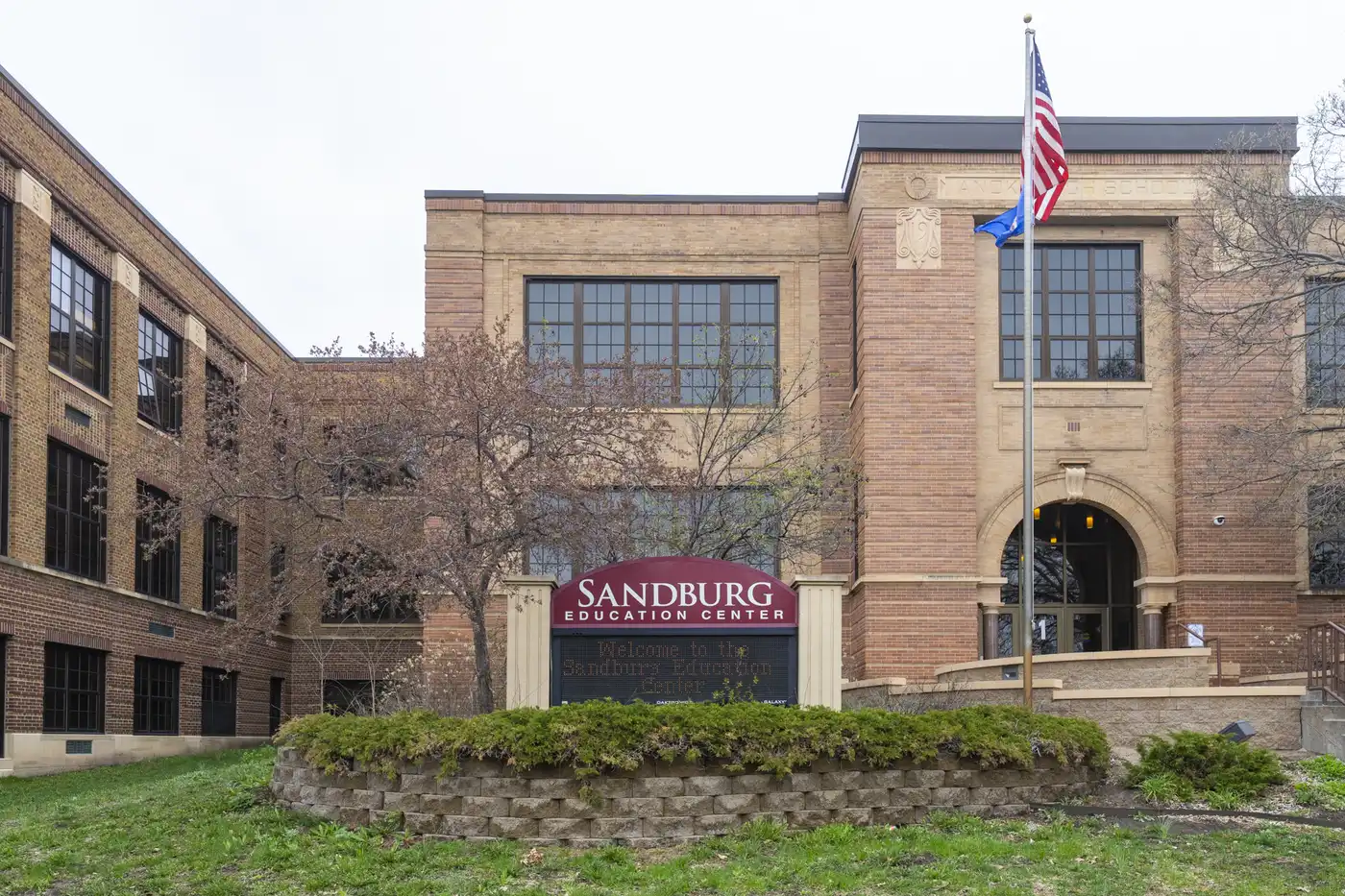
image credit: mprnews
Minnesota’s largest school district is standing at a crossroads. With more than 3,200 teachers preparing to vote on a strike authorization and over 38,000 students facing the possibility of major classroom disruptions, the Anoka Hennepin strike 2025 is quickly becoming the most consequential education story in the state.
While mainstream reports highlight surface-level details — contract disagreements, rising insurance premiums, or stalled wage negotiations — the fuller story rarely told is far more complex and far more urgent. Beneath the headlines lies a deeply strained school system grappling with chronic underfunding, escalating health-care costs, staff shortages, budget cuts, and morale challenges that have been quietly building for years.
This article explores what the short news updates overlook: the structural forces causing the crisis, the human impact on educator lives, and what a strike would truly mean for Minnesota families, taxpayers, and the future of public education.
A Crisis Years in the Making — Not Just a Contract Fight
The tension between the district and Anoka-Hennepin Education Minnesota (AHEM) did not appear overnight. Instead, this moment reflects years of mounting financial pressure and shrinking resources.
1. Budget Cuts Have Scaled Back the District’s Capacity
In the past few years, millions have been cut from the district’s operating budget. Staff positions — including specialists, paraprofessionals, and classroom aides — have been eliminated or consolidated. Teachers report larger class sizes, fewer support staff, and dwindling resources.
Yet the shrinking budget stands in stark contrast to rising expectations:
- Higher needs among students
- Rising inflation
- State-mandated leave and benefits
- Special education requirements
- Increasing behavioral and mental-health challenges
This mismatch between obligations and resources forces districts to stretch every dollar — and teachers often carry the burden when resources run thin.
2. Inflation Outpaced Wages Long Before Negotiations Began
Although educators have seen some wage increases in recent contracts, those raises have failed to keep pace with:
- Inflation in food and housing
- Childcare costs
- Transportation costs
- Rising medical bills
When adjusted for inflation, many educators effectively earn less than they did a decade ago.
The Tipping Point: Soaring Health-Insurance Costs
The flashpoint of the Anoka Hennepin strike 2025 is health-care affordability. Under the district’s self-insured plan, the board approved a 22% insurance premium increase for 2025.
For many teachers, the math is devastating:
- Family plans reaching $1,500–$1,800 per month
- Deductibles rising to $6,000 or more
- Out-of-pocket expenses that eat up entire paycheck increases
The district argues this spike is necessary to keep its self-insured plan solvent amid surging medical and pharmacy claims. Teachers argue they simply cannot absorb the increase without sliding into debt.
This is where many news outlets present the conflict as an “either/or” choice:
- Either teachers get higher wages
- Or teachers get affordable health insurance
But real life is not binary. Fair compensation includes both pay that matches inflation and benefits that do not bankrupt families.
The Human Impact: Educators Working Two or Three Jobs
While news outlets often quote a single educator or union representative, the deeper human impact rarely makes it into mainstream coverage.
Across the district, teachers quietly share the same painful realities:
- Working second or third jobs to cover bills
- Skipping medical care because they can’t afford deductibles
- Taking on credit-card debt to pay premiums
- Considering leaving the profession altogether
- Exhaustion from larger class sizes and fewer aides
- Delayed plans for children or retirement
A profession once seen as stable and respectable has, for many, become financially unsustainable.
This is why so many teachers rally behind strike authorization — not as a political act, but a survival mechanism.
What’s at Stake for the Community
A potential strike would bring widespread consequences, especially for vulnerable populations.
1. Students Could Lose Crucial Learning & Support
A strike could pause essential services:
- Special education
- Mental-health counseling
- School-based therapy
- After-school programs
- ESL support
- Nutritional support
For thousands of families, school is not just a place of learning — it’s an irreplaceable support system.
2. Families Would Face Childcare and Income Strain
A strike could force parents to:
- Pay unexpected childcare costs
- Stay home from work
- Reduce hours — losing income
- Rearrange transportation and schedules
For low-income families, these disruptions can create serious hardship.
3. Long-Term Staff Retention May Collapse
Districts across Minnesota already face shortages in:
- Special education
- Science
- Math
- Paraprofessional support
- Bus drivers
A strike could accelerate the talent drain.
What the Mainstream Articles Leave Out
Short news stories rarely delve into the deeper causes and consequences. Here’s what they overlook:
1. Chronic State Underfunding
Minnesota’s per-pupil formula lags behind inflation. Without adjustments, every district loses purchasing power annually.
2. The Impact of Expired Federal Relief Funds
COVID-era funds that once supported mental-health services and staff have disappeared — leaving districts with ongoing needs but no ongoing funding.
3. Special Education Shortfalls
Districts often spend millions more than the state reimburses for special education — pulling funds away from general classrooms.
4. Mandates Without Funding
New state laws around paid leave, benefits, and safety requirements increase costs without necessarily providing resources to cover them.
The Bigger Picture: A National Public-Education Strain
While the Anoka Hennepin strike 2025 feels local, it reflects trends across the country:
- Teacher shortages worsening
- Health-care costs skyrocketing
- Inflation undermining educator pay
- State budgets failing to adjust
- Parents increasingly dependent on schools for wraparound services
If conditions continue declining, the question won’t be whether a district will strike — but how many and how often.
What Needs to Happen: Beyond Negotiations
Solving this crisis requires more than settling a contract. It requires rethinking how Minnesota funds public education.
1. Adjust the State Funding Formula for Inflation
Without inflation-indexed funding, every district falls behind annually.
2. Address Health-Care Inflation Head-On
This includes:
- Exploring pooled statewide plans
- Pharmaceutical cost controls
- Alternative insurance models
3. Provide Dedicated Funding for Mandates
Mandates without money strain budgets and force program cuts.
4. Invest in Mental-Health & Student Support
As students’ needs grow, staff cannot be expected to fill gaps without resources.
5. Create Long-Term Retention Incentives
Minnesota should consider:
- Service bonuses
- Loan forgiveness
- Housing support for teachers in high-cost areas
- Protected parental leave
A sustainable system requires stable, supported educators.
Conclusion: The Strike Vote Is a Warning — Not the Problem
The looming Anoka Hennepin strike 2025 is not simply labor unrest. It is a warning flare that the system meant to educate the next generation is straining at its seams.
Teachers are not asking for luxury. They are asking for:
- Fair wages that match inflation
- Health insurance that doesn’t bankrupt families
- Reasonable class sizes
- Adequate support staffing
If Minnesota — and the nation — want thriving public schools, they must value the people who make them work.
A strike may last days or weeks. But the consequences of ignoring this crisis could last years.
