
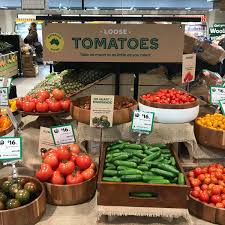
Australian grocery prices have risen so sharply that many shoppers feel something fundamental has changed. It’s no longer just about inflation or temporary supply shocks — it’s about fairness, transparency, and power. When everyday essentials like vegetables, bread, and milk keep climbing in pricewwwww price while wages lag behind, people start asking a deeper question: why are Australian supermarket prices so high, and who really benefits?
The answer is more complex than a single cause. Rising costs are real, but they don’t tell the whole story. To understand what’s happening, you need to look at how Australia’s supermarket system actually works — from market concentration and supplier power to pricing tactics most shoppers never notice.
Australians Are Paying More — But This Time It Feels Different
Grocery prices have always fluctuated, but the current situation feels different because price rises have become persistent rather than temporary. Even when inflation eases or fuel prices fall, supermarket prices rarely return to previous levels.
This creates a sense of “price lock-in” — where households absorb higher costs permanently. For many Australians, groceries now compete with rent and utilities as one of the biggest weekly expenses. That emotional reality matters, because Google increasingly rewards content that reflects real user experience, not just statistics.
The Two Supermarkets That Control Most of Your Grocery Bill
Coles and Woolworths Explained Simply
Australia’s grocery market is dominated by Coles and Woolworths, which together control roughly two-thirds of supermarket sales. Aldi provides some competition, but its limited range and smaller footprint mean it doesn’t fully counterbalance the power of the big two.
This structure is known as a duopoly — a market dominated by two major players. In practical terms, it means:
- Less price pressure between competitors
- Strong negotiating power over suppliers
- Limited incentive to aggressively lower prices
When most Australians shop at one of two chains, pricing decisions ripple across the entire economy.
What the ACCC Really Found (And What It Didn’t)
Rising Costs vs Rising Profits
The Australian Competition and Consumer Commission (ACCC) has acknowledged that supermarkets face higher input costs, including:
- Energy and fuel
- Transport and logistics
- Labour and insurance
- Production costs from suppliers
However, ACCC findings also showed that profit margins increased during periods of peak grocery inflation. In other words, not all price rises were simply passed through — some were retained.
Importantly, the ACCC stopped short of declaring illegal price gouging. But that distinction matters less to consumers than it does to lawyers. Something can be legal and still feel exploitative.
Why Grocery Prices Rose Faster Than Wages
Timing Matters
One of the biggest frustrations for shoppers is that prices rose quickly but fell slowly — or not at all. This happens because of a phenomenon known as price stickiness.
Once consumers become accustomed to higher prices, supermarkets face little pressure to reverse them, especially in a concentrated market. Wages, meanwhile, adjust more slowly due to enterprise agreements, award structures, and government policy.
The result is a widening gap between what people earn and what they pay at the checkout.
The Hidden Pricing Tactics Shoppers Rarely Notice
Promotions, Rebates, and Shelf Space
Supermarket pricing isn’t just about sticker prices. It’s shaped by:
- Supplier rebates that are invisible to consumers
- Paid promotions that determine shelf placement
- “Specials” that inflate the regular price to make discounts look larger
- Shrinkflation, where package sizes quietly shrink
These tactics can make prices feel unpredictable and erode trust, even if they remain within legal boundaries.
Are Australian Supermarkets Price Gouging?
The Legal vs Moral Gap
Price gouging has a strict legal definition, and regulators are cautious about using the term. But consumer anger persists because the moral definition is broader than the legal one.
When households struggle while supermarkets post strong profits, many people conclude that the system favours corporations over consumers — regardless of whether laws were technically broken.
This gap between legality and perceived fairness is at the heart of the debate.
Why Fresh Food and Vegetables Are Hit Hardest
Fresh food pricing behaves differently from packaged goods. Vegetables and fruit are:
- Perishable
- Weather-dependent
- Costly to transport across long distances
Farmers often carry more risk, while supermarkets maintain pricing flexibility. This imbalance can leave growers squeezed and consumers paying more — a lose-lose outcome.
Why Australia Is More Expensive Than the UK or US
Australia’s geography and population density do increase costs. Long supply chains and fewer consumers spread over vast distances mean logistics are inherently expensive.
However, geography alone doesn’t explain why supermarket profit margins in Australia rank among the highest internationally. Market structure and competition play a critical role.
Who Loses the Most From High Supermarket Prices
Rising grocery prices disproportionately affect:
- Low-income households
- Renters
- Pensioners
- Regional communities
As food takes up a larger share of income, families make trade-offs — buying less fresh produce, skipping meals, or relying on cheaper, lower-quality options. This links supermarket pricing directly to food insecurity, a growing concern across Australia.
Will Prices Ever Come Down?
What Could Actually Change Prices
Meaningful price relief would likely require:
- Increased competition
- Greater transparency in supplier agreements
- Stronger consumer protection laws
- Structural reform, not short-term discounts
What won’t fix prices? Temporary promotions, loyalty schemes, or public shaming campaigns.
What Shoppers Can Realistically Do Right Now
While individuals can’t fix systemic issues, some strategies help:
- Compare unit pricing, not headline discounts
- Mix supermarkets with independent grocers
- Shop seasonally for fresh produce
- Avoid assuming “specials” are always cheaper
These steps won’t solve the problem — but they can reduce its impact.
Final Verdict: High Costs, High Profits, and a Broken Feeling
So, why are Australian supermarket prices so high? Because rising costs collided with a highly concentrated market — and the result was higher prices that stuck.
Even without proven price gouging, the system leaves many Australians feeling powerless at the checkout. Until competition improves and pricing becomes more transparent, grocery bills will likely remain a pressure point — and a symbol of a cost-of-living crisis that feels deeply personal.
